

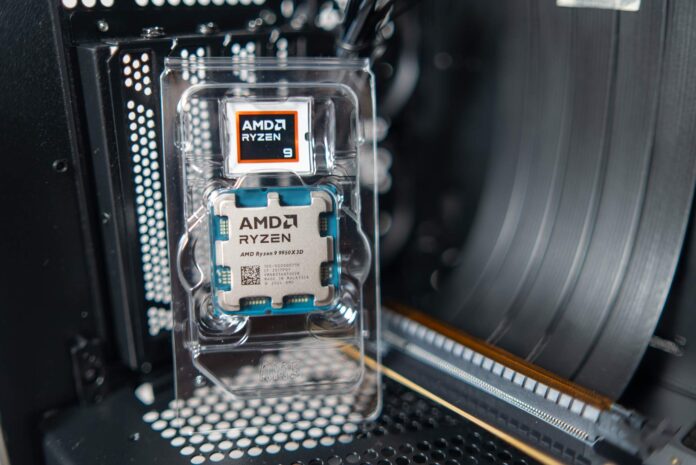
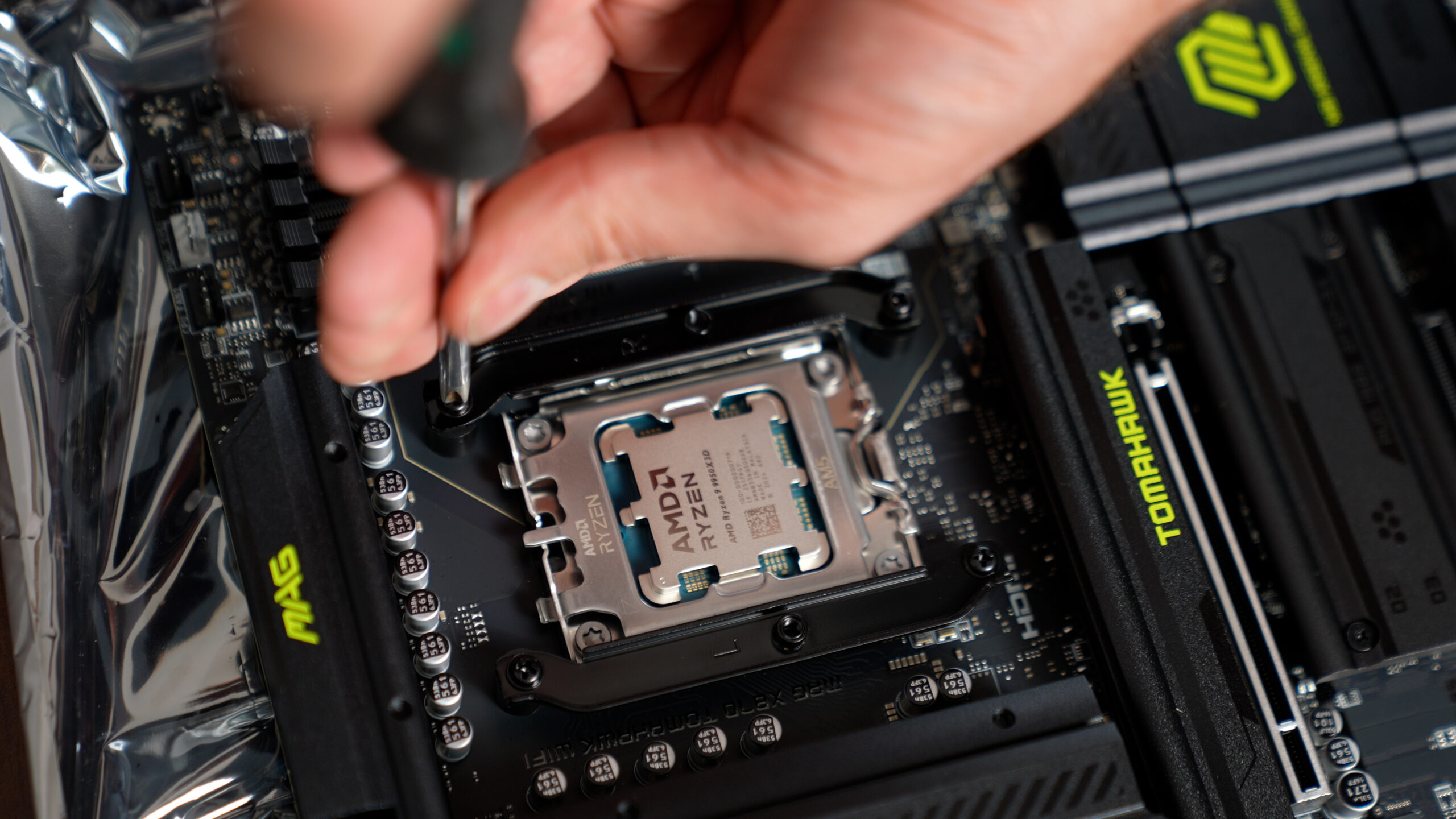
The Ryzen 9 9950X3D belongs to AMD’s latest generation of processors based on the Zen 5 architecture (code name Granite Ridge). It’s the flagship model in the Ryzen 9000 family, equipped with 16 cores and 32 threads with a base clock of 4.3 GHz (up to 5.7 GHz in boost). It continues the tradition of its predecessor (Ryzen 9 7950X3D), offering the maximum core count in the mainstream segment without moving up to an HEDT platform. The chip is manufactured on an improved TSMC 4 nm process and has been refined compared to the previous generation in terms of performance and energy efficiency. In AMD’s lineup, it is essentially the most powerful CPU for the AM5 socket, aimed at enthusiasts who want uncompromising power both in games and in professional workloads. AMD even describes it as a chip “for the most demanding gamers and creators,” which fits its market positioning well. I’ve just bought this processor (with my own money) for my new PC, and I’m sharing my impressions in today’s piece.
The CPU on paper
The biggest distinguishing feature of the 9950X3D is AMD’s second-generation 3D V-Cache technology. Simply put, it’s an additional layer of third-level cache (L3) placed on the processor thanks to vertical chip stacking. This allows AMD to significantly increase cache capacity without increasing the physical footprint of the cores. In practice, the Ryzen 9 9950X3D offers 128 MB of L3 cache (compared to 64 MB on the standard 9950X). Such a large cache helps the processor excel in workloads that heavily stress the memory subsystem. As AMD explains, stacking dies vertically increases the amount of L3 cache, which significantly improves gaming performance. 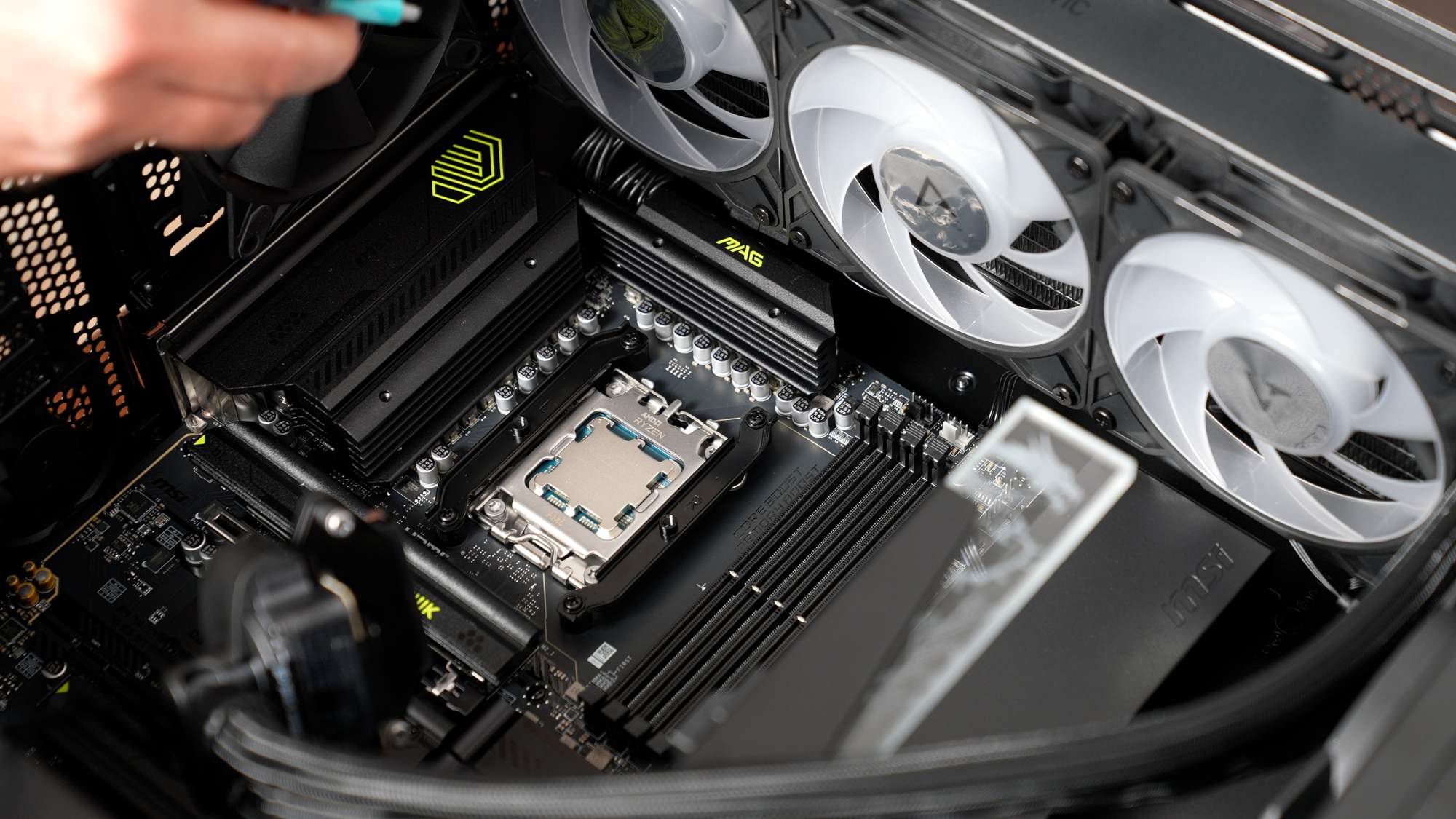
In titles that depend on fast data access (for example large maps or complex AI), the extra cache can reduce latency and deliver higher FPS. Importantly, this is the second generation of 3D V-Cache, which improves thermals and core management. The previous X3D generation (such as the 7950X3D) had a separate set of V-Cache-equipped cores and relied on the system to assign tasks optimally. Now, that process is simplified and is basically invisible to the user. The layer design was also refined (the cache layer was moved closer to the package substrate), improving heat transfer. Thanks to this, the 9950X3D can sustain high clocks without major limitations despite the large cache. In short, 3D V-Cache is the key here to exceptional performance, especially in games, without the need to drastically increase power draw or CPU temperatures.
Ryzen 9 9950X3D for gaming
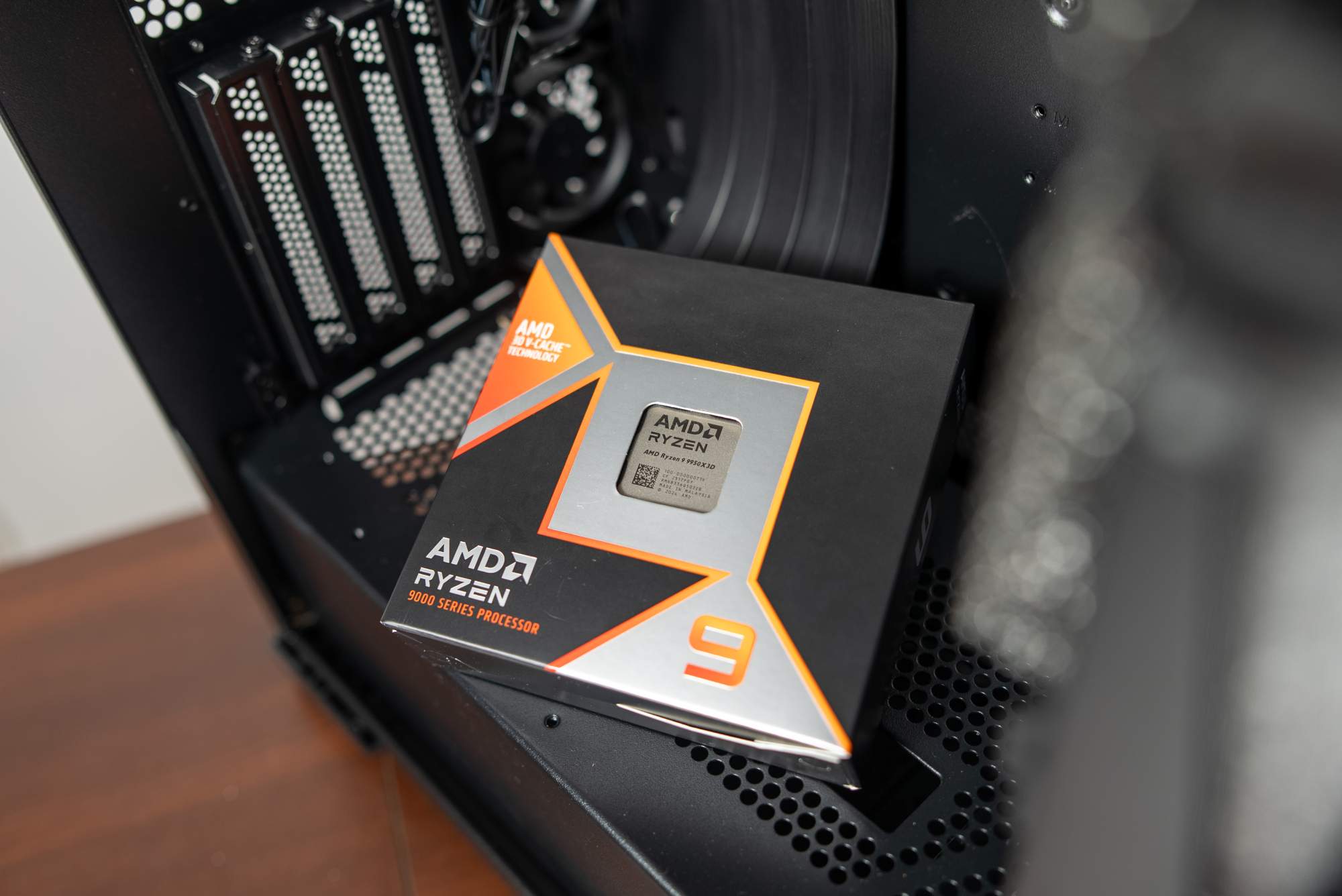
In gaming, the Ryzen 9 9950X3D shows its teeth. The extra cache leads to a noticeable FPS uplift in many titles, especially with high-end GPUs and at lower resolutions where the CPU plays a larger role. Of course, not every game benefits equally. The advantage shows up mainly in CPU-heavy productions: strategy games, simulations, large multiplayer titles, and similar scenarios. Still, the overall trend is clear: the 9950X3D is one of the fastest gaming CPUs on the market, often beating even more expensive competing chips. Interestingly, this high performance also comes with excellent energy efficiency. The extra cache reduces the need to access RAM, so the CPU can finish work faster and with lower power draw. For example, in a GameStar test, the previous-gen 7950X3D pulled only about 52 W while gaming in 4K, while the competing Core i9-13900K drew around 100 W, and yet the Ryzen still delivered higher FPS. The new 9950X3D continues this trend, offering a strong balance between performance and power consumption, which means lower temperatures and quieter operation during gameplay, assuming you have adequate cooling.
Performance in professional applications

The Ryzen 9 9950X3D was built not only for games but also for heavy work. Sixteen Zen 5 cores with high IPC deliver top-tier results in multi-threaded workloads: 3D rendering, video editing, software compilation, or engineering simulations. In many tests, AMD comes out ahead of Intel. The standard 9950X (non-3D) can score up to around 20% better than the Core i9-14900K in heavily multi-threaded benchmarks, and the X3D version performs very close to that as well (extra cache doesn’t always help those workloads, though it can sometimes speed up things like data compression or operations on large datasets). Importantly, AMD added AVX-512 support, which is missing from Intel’s consumer chips. In some specialized applications (scientific or financial computing, for example), that can give Ryzen CPUs a real advantage. Of course, Intel still has some strengths. Thanks to very high single-core boost clocks, the Core i9-14900K can be slightly ahead in purely single-threaded tasks (differences of just a few percent). But Intel’s lead here has shrunk significantly compared to earlier generations, because Zen 5 improved IPC and reaches higher frequencies than previous Ryzens. In practice, this means even applications that don’t scale well across threads run very fast on the 9950X3D, while well-balanced workloads often favor AMD.
Comparison with Intel (Core i9-14900K)
Intel’s competing flagship, the Core i9-14900K, is the natural reference point for the Ryzen 9 9950X3D. Intel follows a different strategy. Its CPU has 24 cores, but in a hybrid configuration (8 performance cores plus 16 efficiency cores). In a direct matchup, the two trade blows, but the Ryzen 9950X3D often takes the lead in key areas. In games, AMD’s advantage can be clear thanks to the massive cache. In many titles the 9950X3D delivers higher FPS than the Core i9, especially at lower resolutions or in esports-focused scenarios where maximum frame rate matters. Intel tries to catch up with higher single-core clocks and can remain competitive in 4K gaming where the GPU matters more. In professional workloads, both processors are performance monsters, but architecture differences show again. Sixteen full Zen 5 cores give AMD an edge in heavily multi-threaded computing, while Intel relies more on its smaller cores, which don’t always match AMD’s big cores in raw performance. On top of that, power efficiency typically favors AMD. Ryzen usually draws less power at similar performance, which means lower temperatures and less demanding cooling. Of course, the Core i9-14900K remains an excellent CPU. It has slightly better single-thread performance and strong overclocking headroom (Intel allows fairly free power scaling, while AMD focuses more on automatic Boost and PBO). Still, as an overall package the Ryzen 9 9950X3D looks like the more universal choice. It offers excellent performance in both worlds, gaming and work, without forcing compromises. Intel used to be the default pick for gaming while AMD was stronger for productivity, but that line is now blurring in AMD’s favor.
Strengths and weaker points in practice
Looking at the whole picture, the Ryzen 9 9950X3D impresses with a long list of strengths. First and foremost is excellent performance. Whether you’re running the latest AAA game, streaming gameplay, or exporting 4K video, this CPU doesn’t break a sweat. Versatility is its second name. With 16 cores and massive cache, it’s suited both for top-tier gaming results and professional work like rendering and media production. Energy efficiency also deserves praise. In typical gaming scenarios, the CPU doesn’t have to push itself to the limit, often running cooler and more efficiently than competing chips with similar performance. The AM5 platform also matters. It brings modern standards (DDR5, PCIe 5.0) and is promised long-term support, so choosing this CPU is also an investment in a base that should last for several CPU generations. Of course, there are also some downsides and limitations worth mentioning. The CPU is very expensive. It’s an absolute top-end product, so the value proposition makes the most sense mainly for people who truly use its potential. For a typical gamer who doesn’t run professional apps, cheaper X3D models may be more sensible, such as the Ryzen 7 9800X3D, which can offer similar gaming performance for less. Also, while the 9950X3D is extremely fast, it can still trail Intel by a few percent in some niche single-threaded tasks. If someone cares only about peak single-thread performance (for example competitive esports at 240 Hz where every frame matters), Intel’s small lead could matter, though in practice the difference is hard to feel. Another point is the need to provide proper operating conditions. This chip has a 170 W TDP rating, which means under full load it can draw a lot of power. You should invest in strong cooling (at minimum a high-end air tower, and ideally an AIO liquid cooler) and a solid power supply. You also need to remember that the box doesn’t include a cooler. AMD assumes buyers will choose something better than a stock solution. For people building on a budget, another potential downside is the requirement for DDR5 memory. AM5 supports only DDR5, which is still more expensive than DDR4, even though pricing has improved since launch and performance is higher. In my new PC I chose Kingston FURY Renegade DDR5 RGB 2×32 GB.
The Ryzen 9 9950X3D uses the AM5 socket, which means you need a compatible motherboard with a 600- or 800-series chipset. The CPU will run on X670 and B650 boards with a BIOS update, as well as newer X870 and B850 designs built for the next generation. That’s good news for people who already invested in AM5. You can upgrade the CPU without replacing everything else. However, for owners of older systems (for example AM4 or Intel LGA1200/1700), moving to the 9950X3D means a full platform change, including a new board and DDR5 memory. Motherboards with X870 or B850 chipsets also offer some improvements (better PCIe options and faster memory support), but the differences aren’t dramatic. Even on a solid X670E board, this CPU can show its full potential. For my build I chose the recommended MSI MAG X870 TOMAHAWK WIFI.
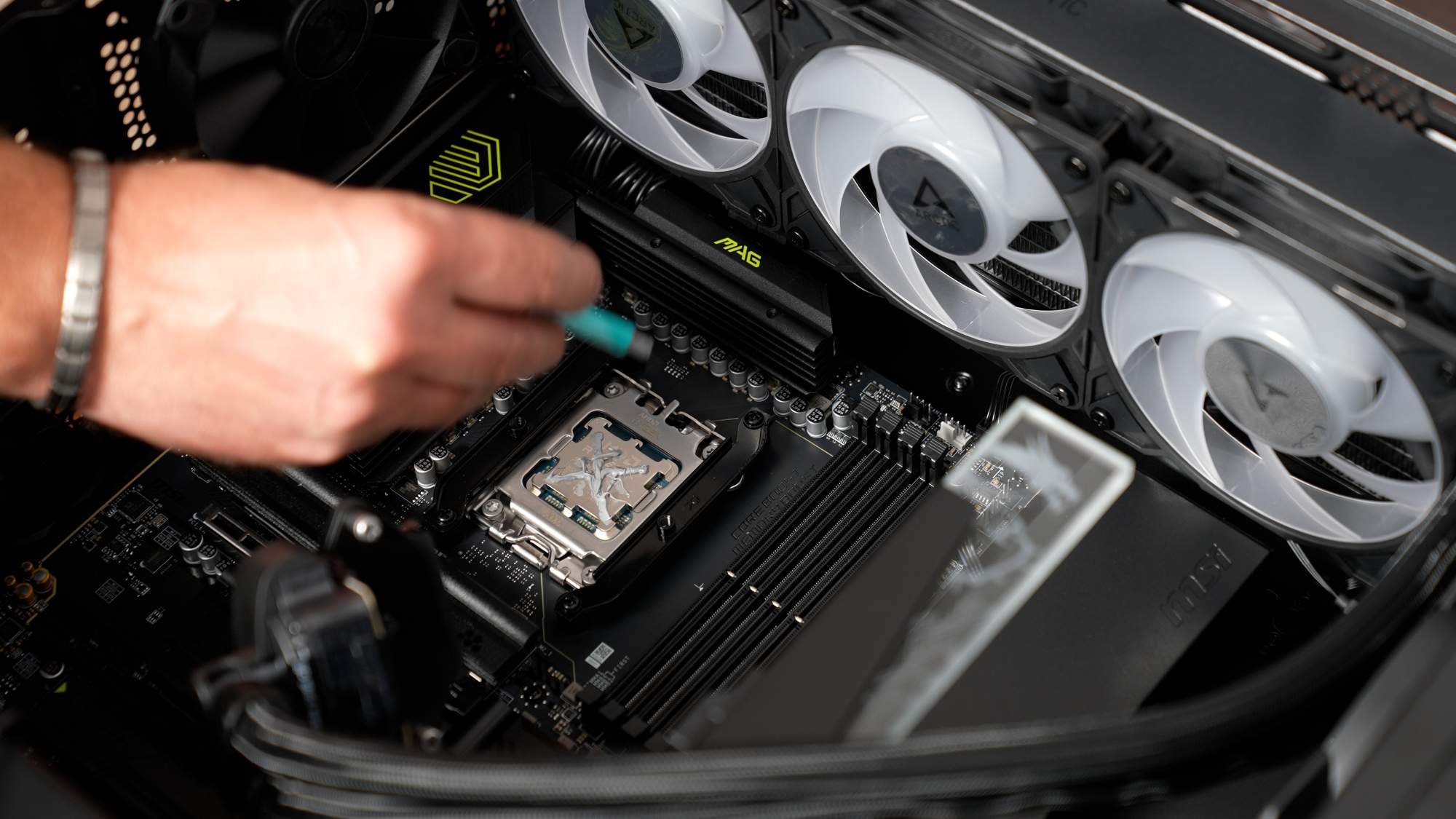
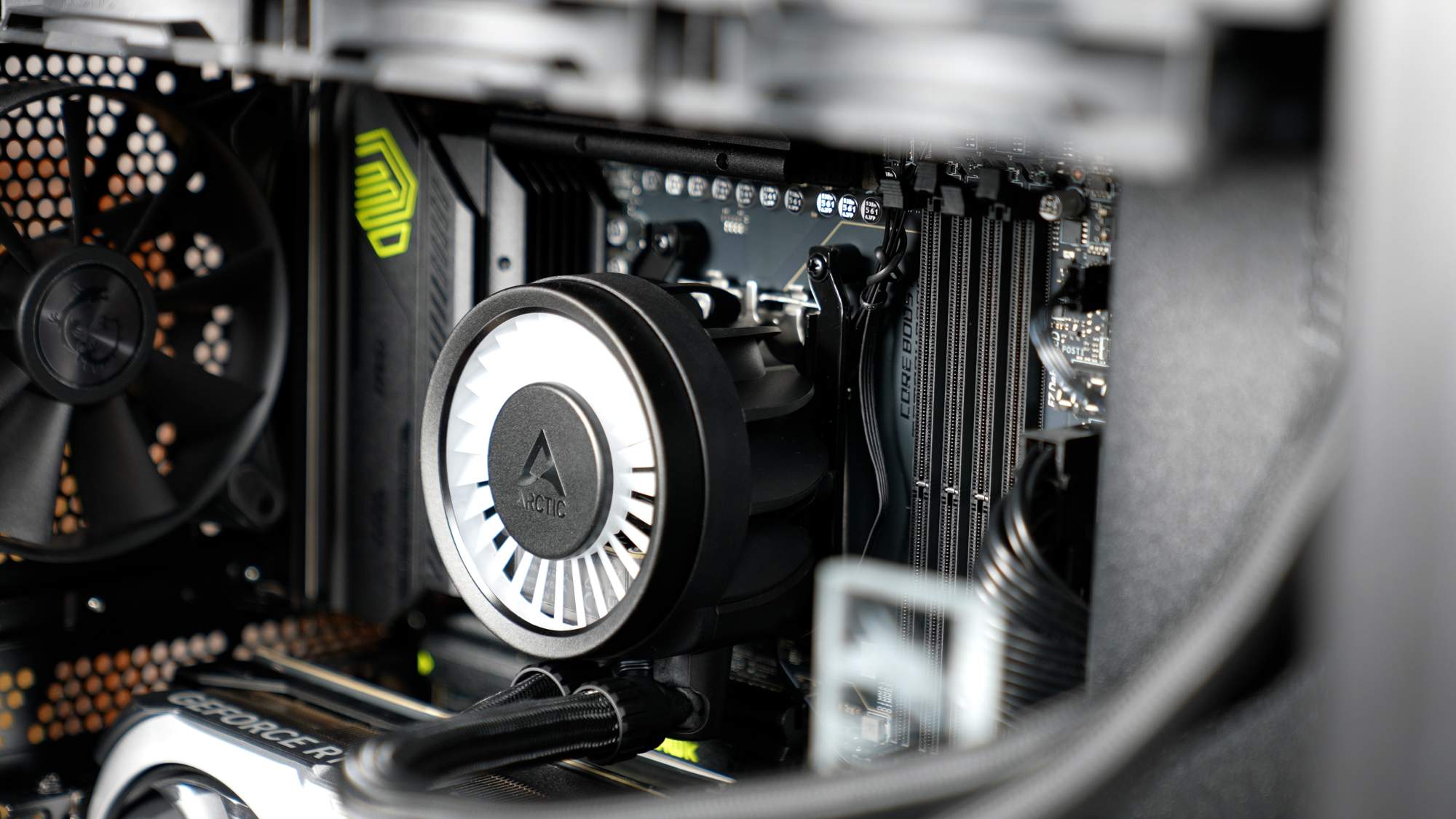
Beyond the motherboard, it’s worth ensuring strong cooling. As mentioned, there’s no included cooler and the potential power draw is high, so this chip likes good cooling. Recommended options include 240 mm (or larger) AIO coolers or high-end air coolers. Only then will the processor sustain high clocks under load without throttling. In my case, I went with the Arctic Liquid Freezer III Pro 360.
A solid motherboard VRM doesn’t hurt either, which is usually standard on boards designed to support 170 W TDP CPUs. Fortunately, most boards aimed at Ryzen 9 handle these requirements easily.

